
How Often Should an Oriental Rug Be Cleaned? A Practical Guide for New England Homes
Oriental Rug Works
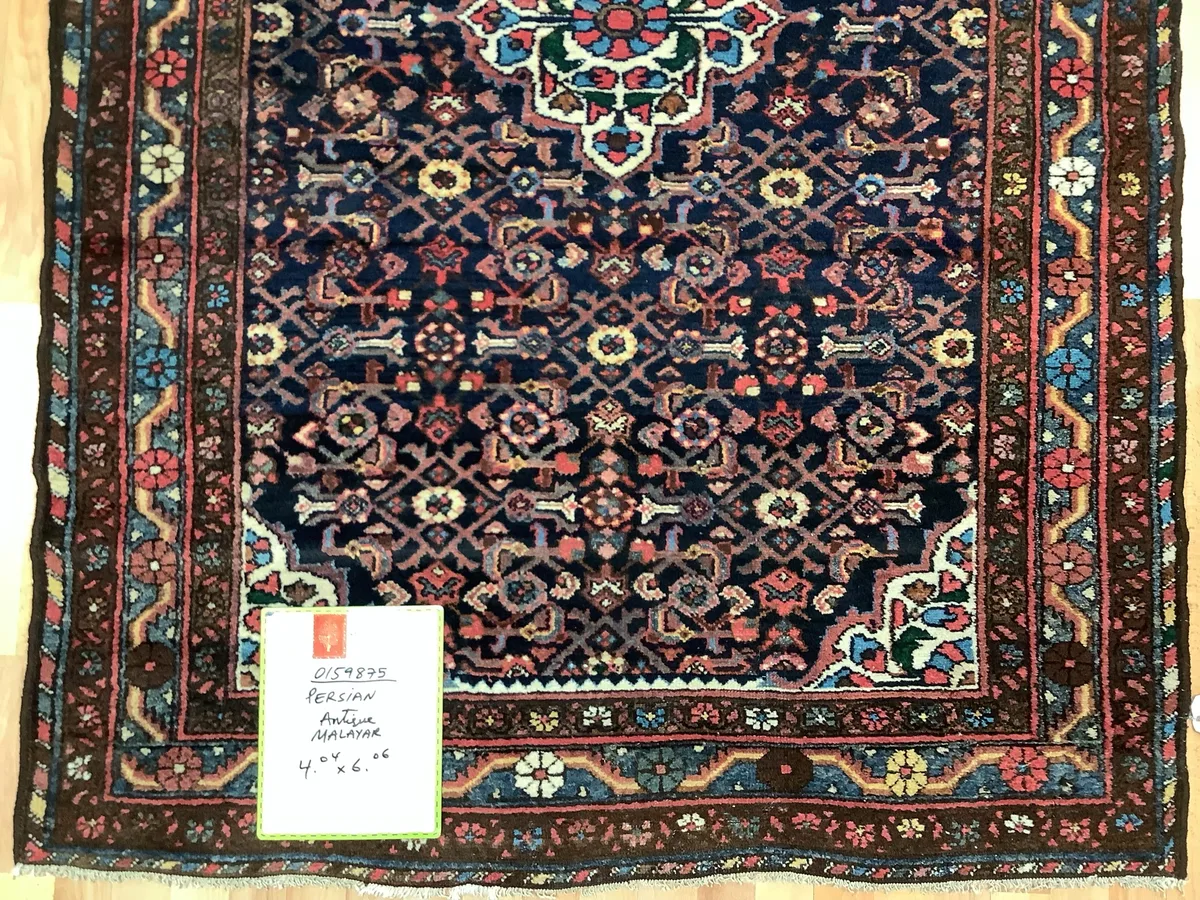
It's one of the most common questions rug owners ask, and the honest answer is: it depends on how the rug lives. Here's a practical way to figure out the right schedule for your rugs, with a few things that matter more here in New England.
It's one of the most common questions rug owners ask, and the honest answer is: it depends on how the rug lives. A runner by the back door in February is having a very different year than a small rug in a guest room that hardly anyone walks on.
Here's a practical way to figure out the right schedule for your rugs, with a few things that matter more here in New England than they might elsewhere.
The rule of thumb
Across the rug trade, you'll hear roughly the same guideline:
| Where the rug lives | Typical professional cleaning interval |
|---|---|
| Entryways, hallways, kitchens, family rooms (heavy traffic) | About every 1–2 years |
| Living rooms and offices (moderate traffic) | About every 2–3 years |
| Bedrooms, guest rooms, formal dining rooms (light traffic) | About every 3–5 years |
| Homes with dogs, cats, or young kids | Toward the shorter end, and right away after accidents |
Treat these as starting points, not deadlines. A rug's condition is a better guide than the calendar.
Five quick checks you can do at home
You don't need special tools to tell whether a rug is due.
1. The grit test
Fold back a corner of the rug and bend the pile open along a row of knots. If you see fine sand or soil packed at the base of the fibers, that's the gritty layer vacuuming doesn't reach, and it wears the wool down every time someone walks on it.
2. The furniture comparison
Slide a chair or the edge of a couch off the rug and compare that spot to the open area nearby. If the protected spot looks noticeably brighter or richer, the rest of the rug is carrying more soil than you think.
3. The color check
Do the colors look flat, gray, or "tired" even right after vacuuming? Oily soil from shoes and hands dulls wool gradually, so the change can be easy to miss until the rug comes back clean.
4. The smell test
A rug shouldn't have an odor. Mustiness can mean moisture got trapped at some point; a sharp smell often means pet urine has soaked past the pile into the foundation. Either one is a reason not to wait.
5. The fringe and edges
Dingy fringe is often a sign the rug needs a wash. Loose or unraveling edges are a sign it may also need a little repair. It's better to catch those early.
Why New England rugs often need cleaning sooner
Living in the Monadnock Region (or anywhere in New Hampshire, Vermont, or western Massachusetts) puts some extra strain on rugs:
- Winter sand and road salt. Grit and salt get tracked in for months. Rugs near entrances take the brunt of it, and salt residue can leave white marks and stiffen fibers.
- Mud season. Spring brings wet boots and dirty paws, which is why entry and mudroom rugs often need more attention than anything else in the house.
- Dry indoor heat. Woodstoves and forced-air heat dry the air out over the winter. Dry, gritty fibers are more brittle and wear faster underfoot.
- Summer humidity. Humid months can bring out odors in a rug that's carrying old spills or pet accidents.
Many local rug owners like to schedule cleaning in spring, once the sand and salt season is over. Fall is another popular time, so rugs are fresh before the holidays and before the house is closed up for winter.
Rugs that need extra care
Some rugs should be looked at more carefully, and sometimes more often:
- Antique and older rugs. The dyes and foundations may be more fragile, so gentle, regular care beats waiting until a rug is heavily soiled.
- Silk and silk-blend rugs. They're more delicate and more sensitive to water, so they should go to a rug specialist, not a general carpet cleaner.
- Rugs with pet accidents. Urine that soaks into the foundation can cause lasting stains and odor, and it can weaken fibers over time. The sooner it's dealt with, the better your chances.
- Rugs going into storage. Clean a rug before you store it. Soil and food residue attract moths, and a rolled-up rug can be damaged for months before anyone notices.
What you can do between cleanings
Good everyday care stretches the time between professional cleanings:
- Vacuum regularly with suction only (or the beater bar off), and keep the vacuum off the fringe.
- Flip small rugs occasionally and vacuum the back to loosen grit.
- Rotate rugs once or twice a year so wear and sun fading are even.
- Blot spills right away with a white cloth and cool water. Don't scrub.
- Use doormats inside and outside entrances, especially in winter.
- Use a rug pad to reduce slipping and wear.
Common questions
Can I clean my oriental rug myself? Light care like vacuuming and blotting spills, yes. Full washing at home is risky: rugs are heavy when wet, hard to rinse completely, and slow to dry, and some dyes can run. If a rug needs more than a spot clean, it's worth talking to a rug specialist.
Is steam cleaning safe for an oriental rug? It's generally not recommended for hand-knotted wool rugs. Surface steam can leave soil in the foundation and moisture in the rug, and heat can set some stains or affect dyes.
My rug looks fine. Does it still need cleaning? Patterned rugs are very good at hiding dirt. Try the grit test and the furniture comparison above. If you see a difference, the rug is due.
Not sure if your rug is due? Ask us.
Oriental Rug Works cleans, repairs, and sells oriental rugs at 109 Key Road in Keene, NH. If you're not sure whether your rug needs cleaning, a repair, or just a good vacuum, give us a call or stop by with a photo and we'll talk it through. We offer pickup in Keene (other arrangements can be made); give us a call to set it up.
- Call: (603) 357-8400 or (603) 357-5152
- Email: orientalrugworks@gmail.com
- Visit: 109 Key Road, Keene, NH 03431 (get directions)
- Hours: Monday–Friday 10–6, Saturday 10–5, closed Sunday
Want to know what happens once your rug goes out for cleaning? Read How Professional Oriental Rug Cleaning Works, learn about our rug cleaning and repair services, see what's involved in oriental rug repair, or send us a message.
While you're here, see our rugs. A hand-knotted rug is tied knot by knot, so no two are ever exactly alike, and the best way to find the one that's yours is in person. Visit our shop at 109 Key Road in Keene, NH, or browse our rugs online first and come see your favorites up close. Never any sales tax in New Hampshire! 🙌
---